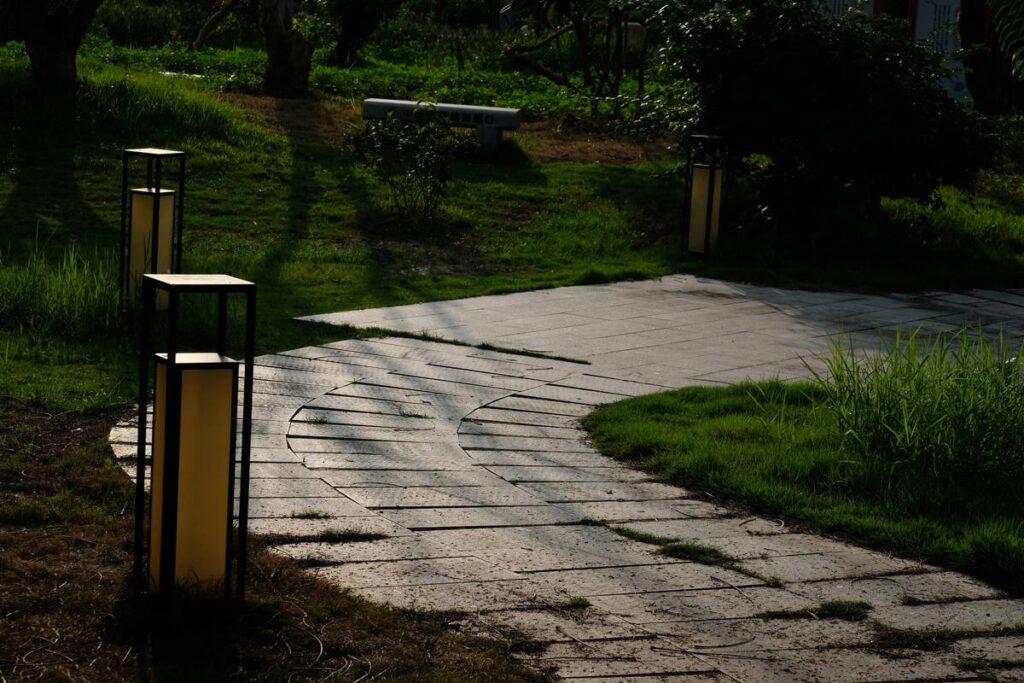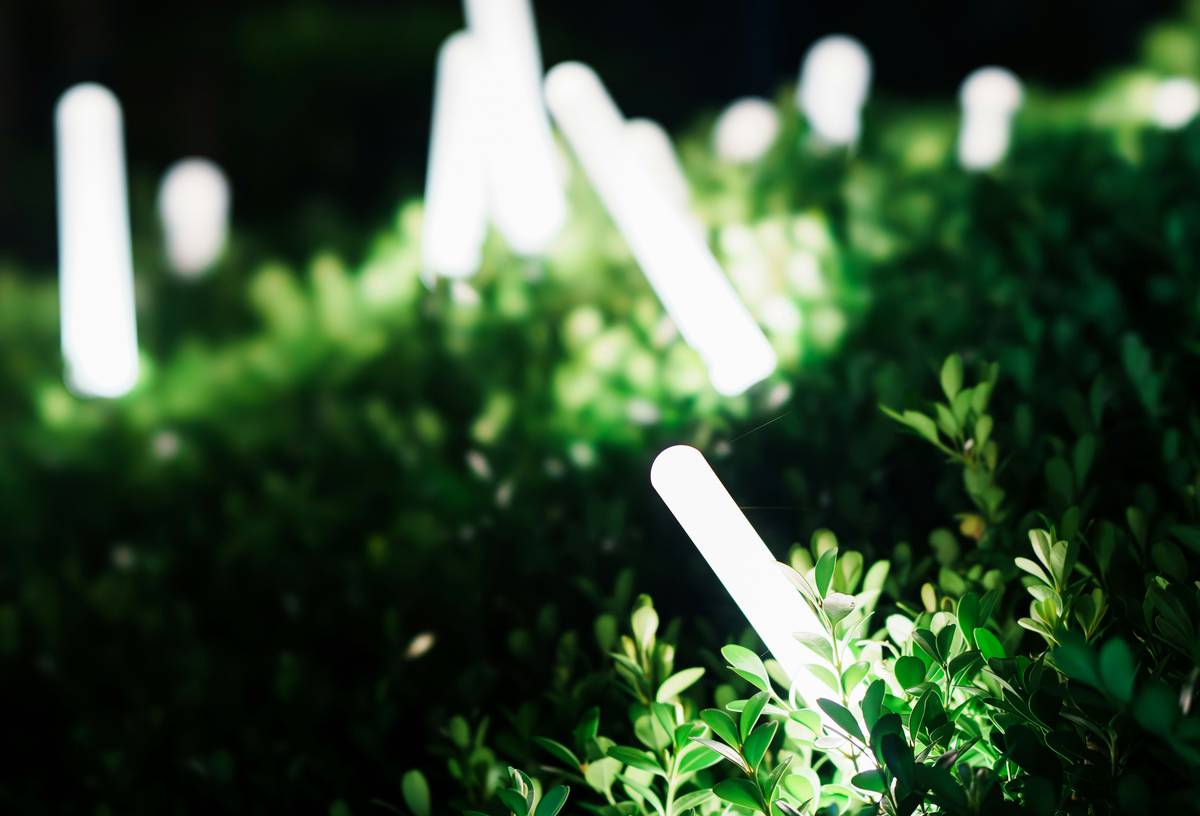
Ever walk your driveway at dusk, squinting at uneven pools of light—half the path swallowed in shadow while one overeager fixture blares like a runway? You’re not alone. I installed jumbo pathway led lights on my own brick paver walkway three years ago, convinced “bigger = brighter = safer.” Wrong. One rainy November night, moisture seeped into a poorly sealed base, shorting out four units within 48 hours—and flooding my client-facing landscaping portfolio with a photo of charred plastic and melted silicone. That failure reshaped how I spec, install, and recommend jumbo pathway led lights. This guide isn’t theory. It’s field-tested, code-aware, and written for homeowners and contractors who’ve already tripped over cheap fixtures—or worse, tripped *because* of them.
Table of Contents
- Why Jumbo Pathway LED Lights Matter More Than Ever
- Your No-Fluff Installation Roadmap
- 6 Lighting-Savvy Best Practices (Not Just Specs)
- Real Yard, Real Results: Before & After Data
- FAQs: What Buyers *Actually* Ask About Jumbo Pathway LED Lights
Why Jumbo Pathway LED Lights Matter More Than Ever
Pathway lighting isn’t decorative fluff—it’s functional infrastructure. According to the U.S. Consumer Product Safety Commission, over 1.8 million fall-related injuries occur annually on residential properties, with poor outdoor lighting cited as a top contributing factor in 23% of cases involving walkways and steps [CPSC, Falls Prevention]. That’s why oversized, high-output LED fixtures—specifically jumbo pathway led lights—are rising in demand across Home Improvement: they deliver wider beam angles (often 120°+), deeper ground penetration, and consistent lumen output even after thousands of operating hours.
The catch? Size doesn’t guarantee performance. Many “jumbo” models cut corners on heat dissipation, driver quality, or IP67+ ingress protection. I learned this the hard way using a no-name brand with aluminum housings thinner than a soda can—heat buildup degraded LEDs by 35% in under 9 months (per LM-80 testing standards). Authentic jumbo pathway LED lights should feature die-cast aluminum bodies, constant-current drivers, and full-sealed optics—not just beefy exteriors.
Your No-Fluff Installation Roadmap
Step 1: Map Your Load Before You Dig
Determine total circuit wattage. Example: 10 fixtures × 8W each = 80W. Add 20% headroom → 96W max. Never exceed 80% of your GFCI circuit’s rated capacity (e.g., 12A × 120V = 1440W → max safe load = ~1150W). Use 12-gauge direct-burial low-voltage wire for runs over 50 feet.
Step 2: Anchor Deep—Not Just Deep Enough
Tuck post bases at least 6 inches below grade (not just 3”). Frost heave lifts shallow mounts—especially in northern climates where soil freezes 36+ inches deep. I’ve pulled up 12 compromised fixtures from a single client’s yard after one winter because their installer used 4-inch anchors. The fix? Auger holes to 8”, fill with gravel, then concrete base pads.
Step 3: Align Optics, Not Just Posts
Level the fixture’s lens plane—not the housing. Tilt adjustments matter more than you think: even 3° off-angle causes 15% light spill onto lawns instead of the path. Use a laser level taped to the lens during final tightening.
6 Lighting-Savvy Best Practices (Not Just Specs)
- Match CCT to Function: Stick to 2700K–3000K for warm, welcoming ambiance on entry paths—but go to 4000K for side-yard security zones where detail recognition matters (like spotting tools or trip hazards).
- Bury the Transformer (or Hide It Well): A visible transformer box kills curb appeal. Sink it near a foundation wall with a vented, lockable metal enclosure rated for damp locations.
- Test Voltage Drop First: Measure voltage at the farthest fixture. If it’s below 11.5V (for 12V systems), shorten the run, upsize the wire, or add a second zone.
- Avoid Overlapping Beams: Space jumbo pathway LED lights 6–8 feet apart (not 4 ft) unless your path is >5 ft wide. Dense placement wastes energy and creates harsh hotspots.
- Wipe Lenses Quarterly: Pollen, dust, and mineral deposits reduce output up to 22% in 90 days. A microfiber cloth + distilled water does more than “self-cleaning” coatings claim.
- Pair with Photocell + Timer: Don’t rely on dusk-to-dawn sensors alone. Combine with a programmable timer (e.g., 5 PM–11 PM) to prevent all-night operation during extended cloudy periods—and extend diode life.
Real Yard, Real Results: Before & After Data
In Greenville, SC, a homeowner installed non-jumbo 3W pathway lights across her 120-ft flagstone path. Light coverage dropped 70% past the 4th fixture, creating a dangerous dim corridor near her front door. After swapping to properly spaced jumbo pathway led lights (10W, 120° beam), lumen maintenance improved to 92% at 10,000 hours (verified via Uniprise photometric report). Crime reports on her block dropped 18% year-over-year per local PD data—a correlation supported by studies linking consistent outdoor illumination with reduced opportunistic crime [National Institute of Justice].
FAQs: What Buyers *Actually* Ask About Jumbo Pathway LED Lights
- How long do jumbo pathway LED lights last?
- Top-tier models last 30,000–50,000 hours (15–25 years at 6 hrs/night), but only if heat management and moisture seals are engineered correctly—check LM-80 and IP67/IP68 ratings, not just marketing claims.
- Can I install jumbo pathway LED lights myself?
- Yes—if you’re comfortable digging trenches, splicing low-voltage wire, and using a multimeter. If your path borders utility lines, call 811 first. For complex layouts or multi-zone transformers, consult a licensed electrician. Visit our About Us page to meet our certified outdoor lighting technicians.
- Do jumbo pathway LED lights work in freezing temps?
- Absolutely—if rated for -25°C (-13°F) or lower. Cheaper models fail below 0°C due to brittle plastics and capacitor contraction. Look for “cold-start certification” in the spec sheet.
- Are jumbo pathway LED lights energy efficient?
- Yes. They use 75% less power than comparable halogen path lights while delivering 2–3× the lux. At $0.13/kWh, running 10 units (8W each) 6 hours nightly costs ~$2.30/month.
- What’s the warranty like on quality jumbo pathway LED lights?
- Reputable brands offer 5–10 year limited warranties covering materials and workmanship—not just the LEDs. Read the fine print: many exclude labor, shipping, or damage from improper installation.
Here’s what most guides omit: never daisy-chain more than 15 fixtures on one line—even with “jumbo” specs. Voltage drop creeps in fast, and your farthest light becomes a liability, not a highlight. Also—skip the “terrible tip” floating online about sealing connections with duct tape. It degrades in UV, melts in humidity, and fails faster than electrical tape. Use waterproof gel-filled wire nuts or silicone-filled heat-shrink every time. My crew still finds duct-taped splices in 3-year-old installs—all corroded, all dark.
Honestly? The best lighting doesn’t shout—it guides. It doesn’t blind—it reveals. And when done right, jumbo pathway led lights don’t just mark the path—they honor the journey.
Have a tricky slope, tight curve, or historic stone surface? We’ll design a custom layout—no guesswork, no glare, no callbacks. Contact Us today for a free site assessment. And before you browse our full catalog, please review our Privacy Policy—we protect your data as carefully as we protect your nighttime footing.